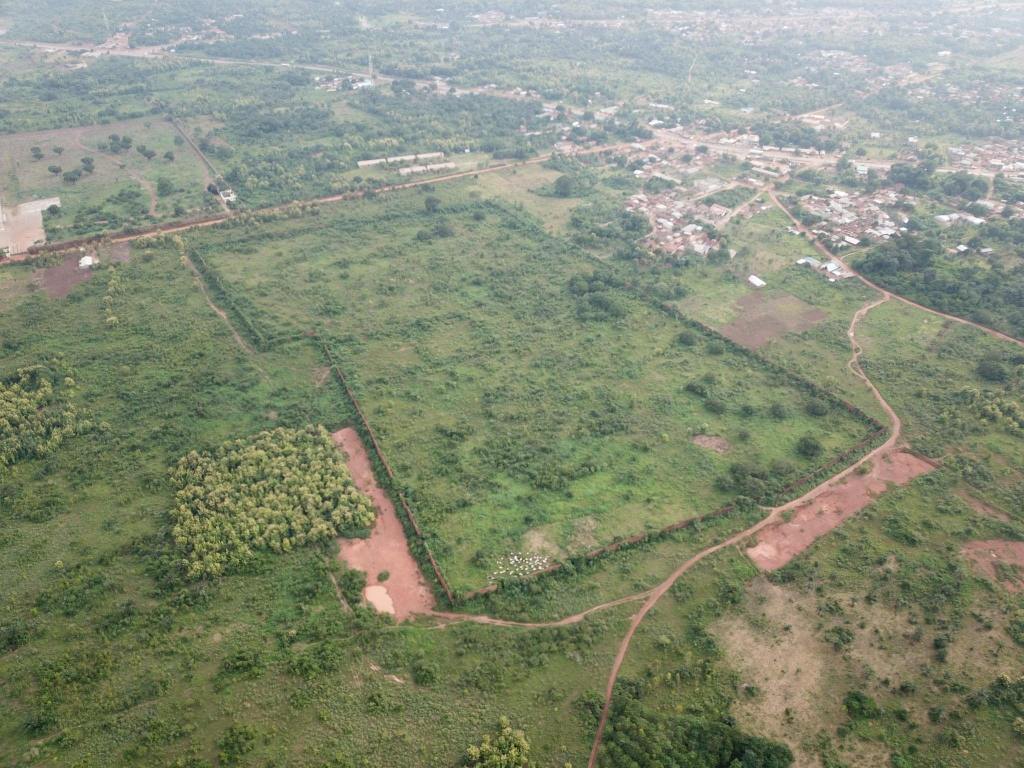
The Kingdom of Dahomey emerged on the Bight of Benin during the tumultuous er of the trans-Atlantic slave trade. A key polity for our understanding of the formation of West African states in this period, Dahomey has been the target of historical, anthropological, and art historical research for decades. The Abomey Plateau Archaeological Project (2000-2010) was launched in the year 2000 to study the dynamics of Dahomean power and authority from an archaeological perspective.
Dahomean Palaces
In Dahomey, political life was centered on the Royal Palace at Abomey. This site served as the residence of the king, the royal wives, and thousands of palace women who provided central services to the state. The palaces were the sites of important annual customs during which the power and opulence of the state was displayed publicly. Additionally, they served as a central locus for political debate and the determination of state policy. And yet numerous palaces are documented outside Abomey in the historical record.
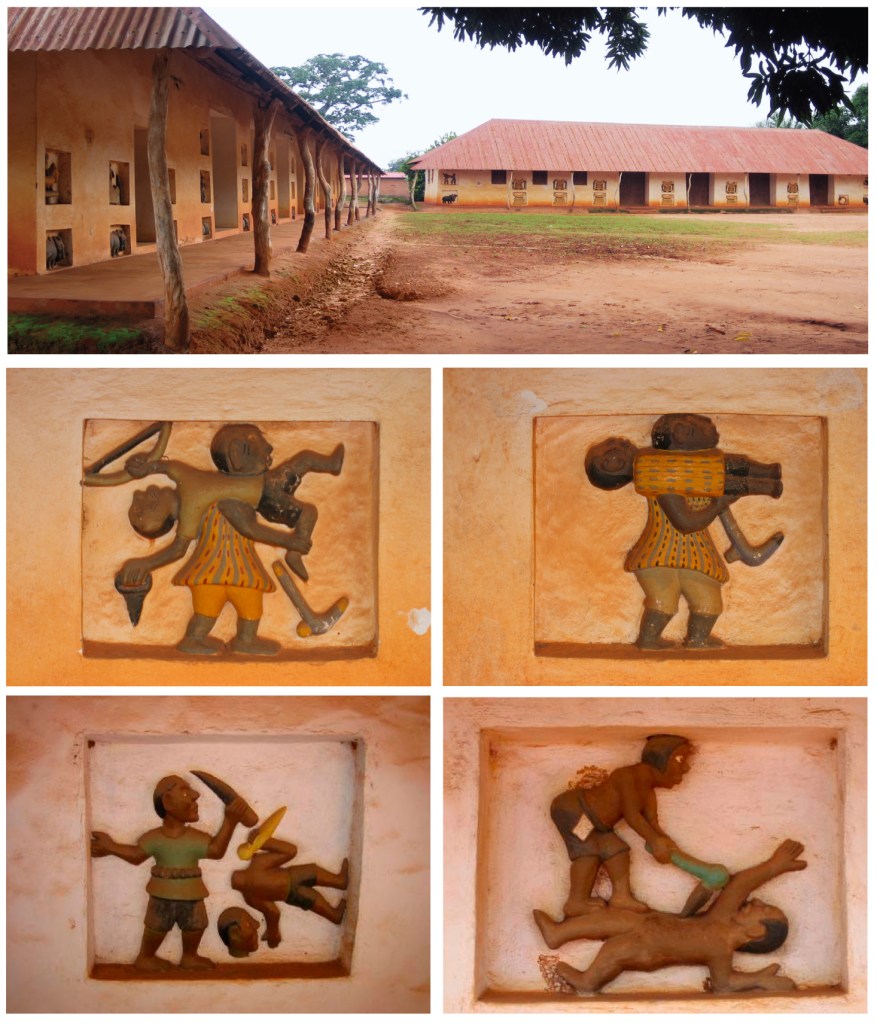
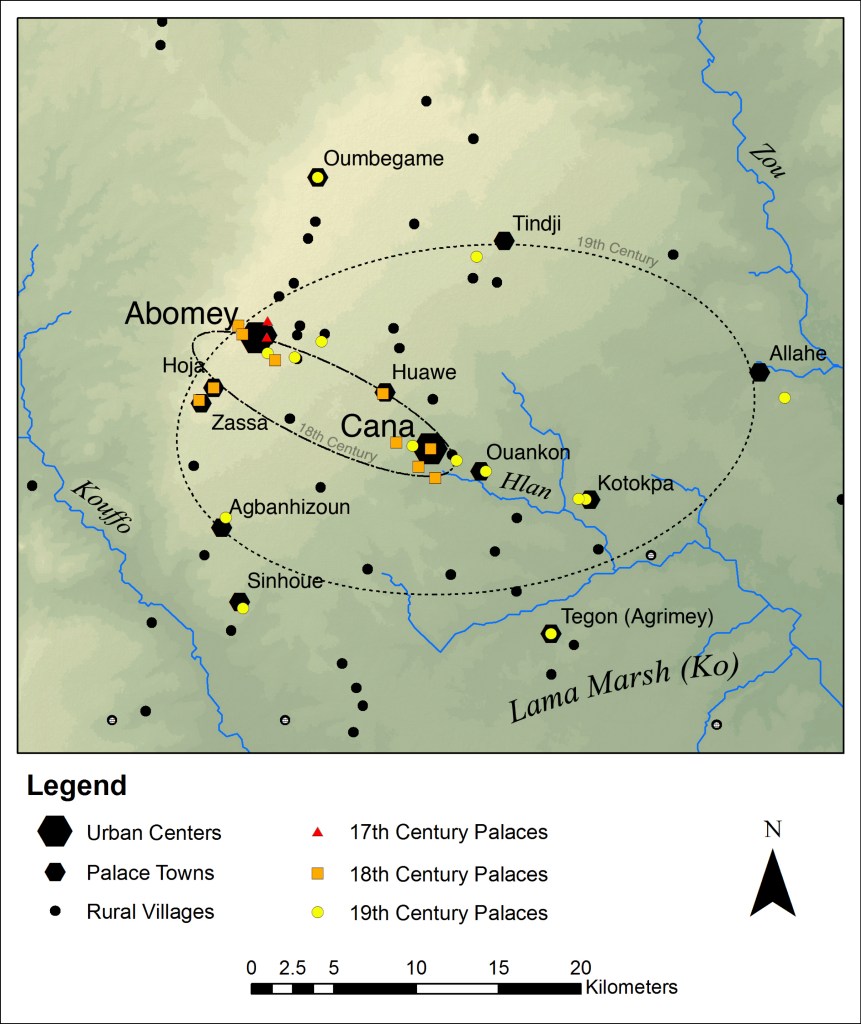
Between 2000 and 2010, the APAP focused attention on these rural palace towns. Drawing from archaeological and oral historical evidence the APAP charted the expanding nature of Dahomean palace construction across Abomey’s hinterlands over time. Initially focused on the royal capital at Abomey, palace construction campaigns would expand outwards along trade routes and into rural agricultural zones over the course of the 18th and 19th century.
Palace construction thereby wrested control of key economic sectors, facilitating the expansion and consolidation of the Dahomean state over time. The APAP devoted significant effort to exploring palace construction activities at Cana, a precolonial town which became the target of major palace construction efforts in the early 18 century. Each of 6 palaces were mapped completely, and test excavations within each structure were used to retrieve datable materials, and to begin to understand the material assemblages of palace residents.

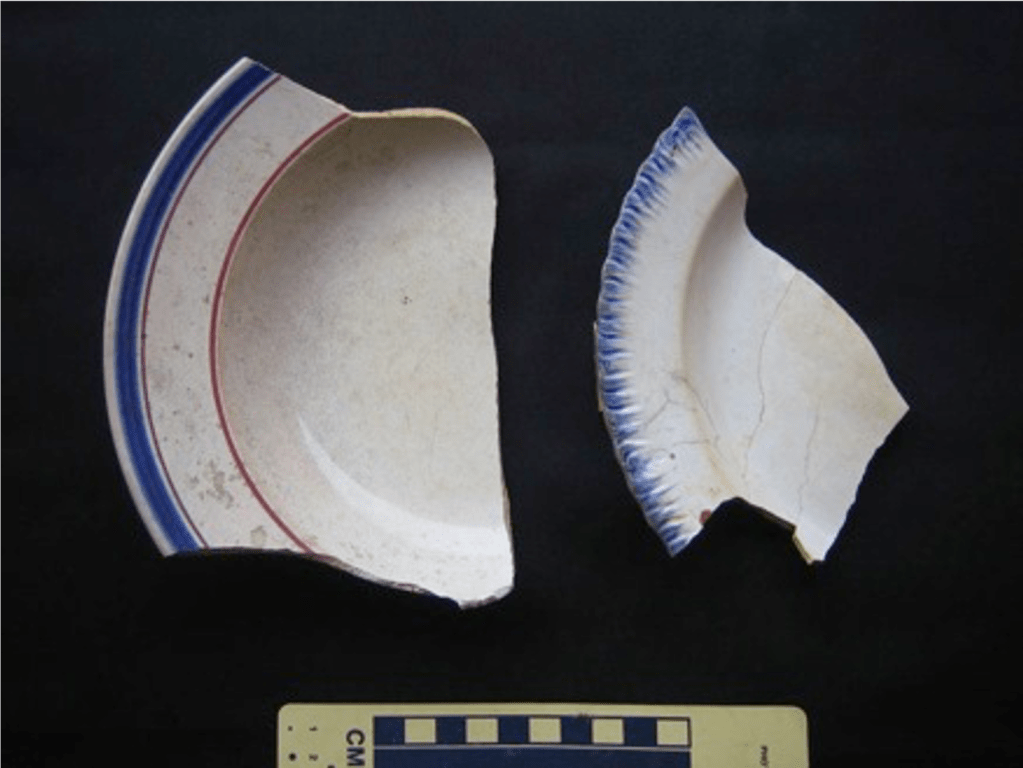
Excavations within palace contexts at Cana revealed a diverse assemblage of material culture, including locally produced pottery and tobacco pipes, as well as a wide range of imported items from Europe. Additionally, excavations at palace sites at Cana targeted ceremonial courtyards and domestic areas, providing a unique window on everyday life and public political culture in this period. This research confirmed the significant quantities of local and imported wealth sequestered behind palace walls, and the role of imported material culture in animating public ceremonial spaces in Dahomey.
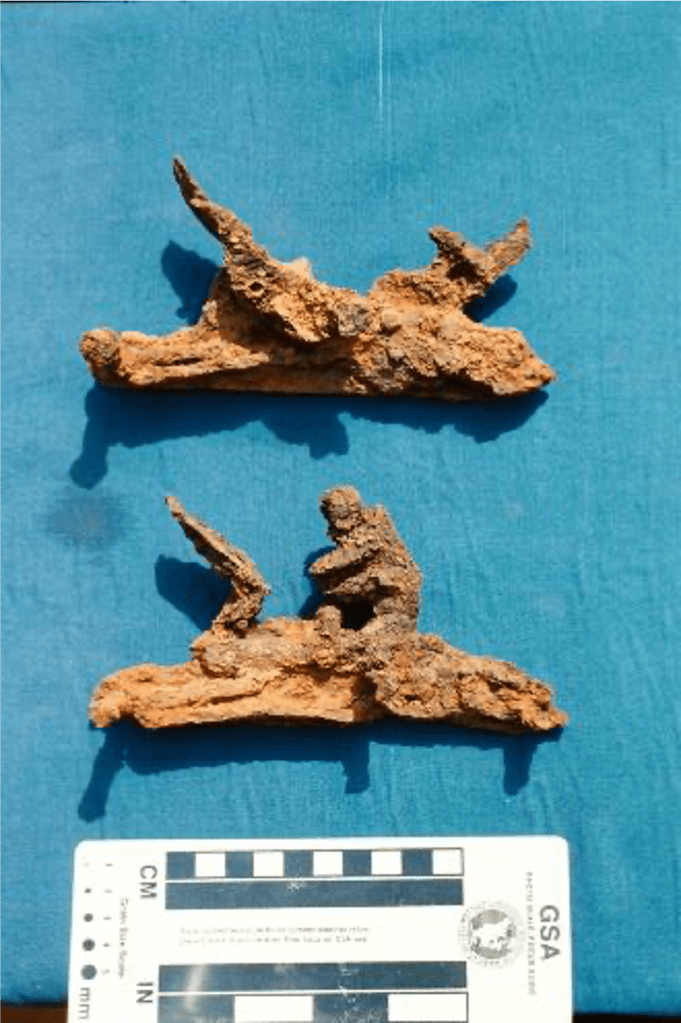


Collectively this research has charted the expansion of the Kingdom of Dahomey across its regional landscape, spatial transformations within royal architectural spaces, and the importance of imported material culture in the Dahomean palace sphere.
 J. Cameron Monroe